

A Journey Through Xi'an: A Glimpse into Eternity - Haojing's Outstanding Employees' Xi'an Trip in 2019
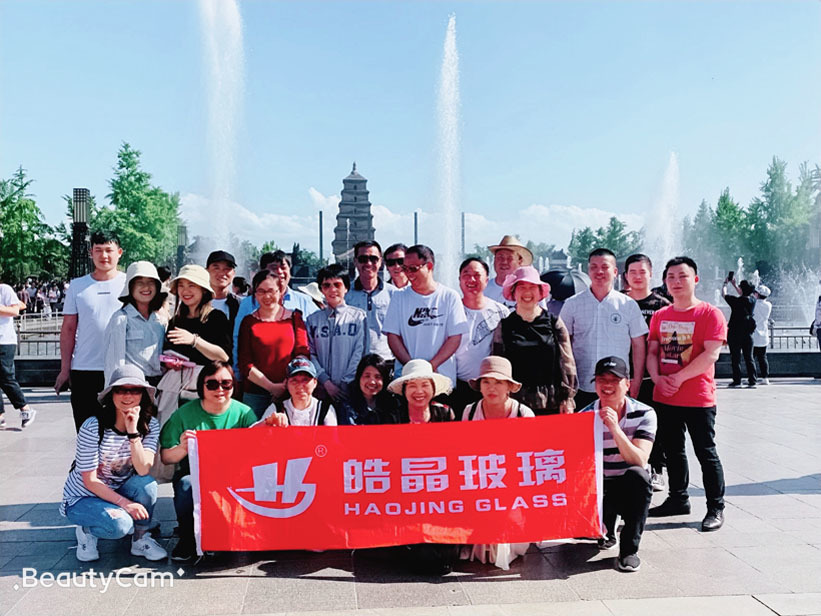
Where did the fallen flowers take me? The 2019 Excellent Employee Trip for Haojing chose Xi'an, a historic city. It is one of the important birthplaces of Chinese civilization, and 13 dynasties, including the Western Zhou, Qin, Han, and Sui and Tang dynasties, established their capitals here. As the starting point of the ancient Silk Road, it has now replaced camel bells with whistles and become an international metropolis for cooperation and exchanges between Asia and Europe. To understand a city, start by visiting its museums. The Shaanxi History Museum is known as the "Pearl of the Ancient Capital, Treasure House of China." The remains of the Lantian Ape-man from 1.15 million years ago and the Banpo people of Xi'an in the museum show the dawn of Chinese civilization; the rich Western Zhou...
Where do I go after the flowers fall?
In 2019, Haojing's excellent employee trip chose Xi'an, a historic city. It is one of the important birthplaces of Chinese civilization, and 13 dynasties, including the Western Zhou, Qin, Han, and Sui and Tang dynasties, established their capitals here. As the starting point of the ancient Silk Road, it has now replaced camel bells with whistles, becoming an international metropolis of cooperation and exchange between Asia and Europe.
To understand a city, start by visiting its museums.
The Shaanxi History Museum is known as the "Pearl of the Ancient Capital, Treasure House of China." The remains of the Lantian ape-man from 1.15 million years ago and the Banpo people of Xi'an in the museum recreate the dawn of Chinese civilization; the rich bronze ware of the Western Zhou Dynasty reflects the rise of the Zhou people; Qin artifacts, represented by the Terracotta Army, demonstrate the institutional civilization of the Great Qin Empire that influenced later generations; the colorful painted pottery of the Han Dynasty and the jade seal of the "Empress" of the Western Han Dynasty showcase the might of the Han Dynasty; and the exquisite gold and silver ware of the Tang Dynasty exudes the atmosphere of the prosperous Tang Dynasty. These surviving collections help us understand history, inspire our thinking about the present, and look to the future.
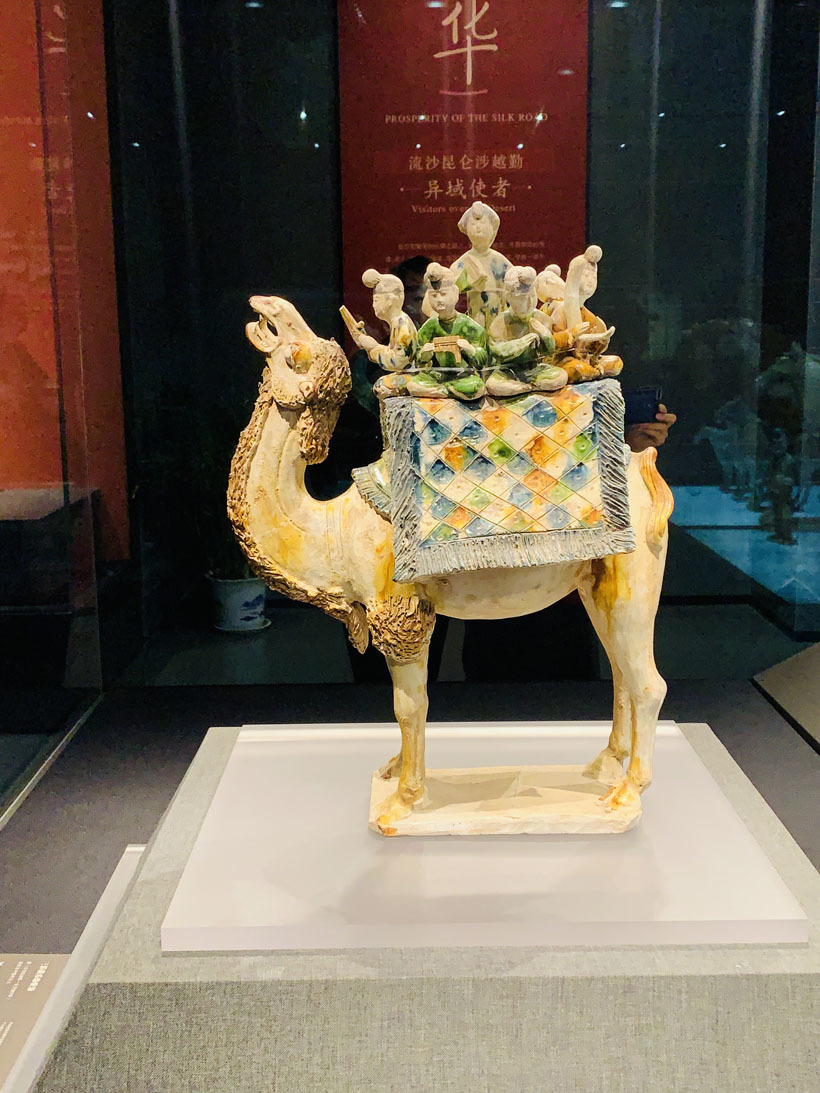
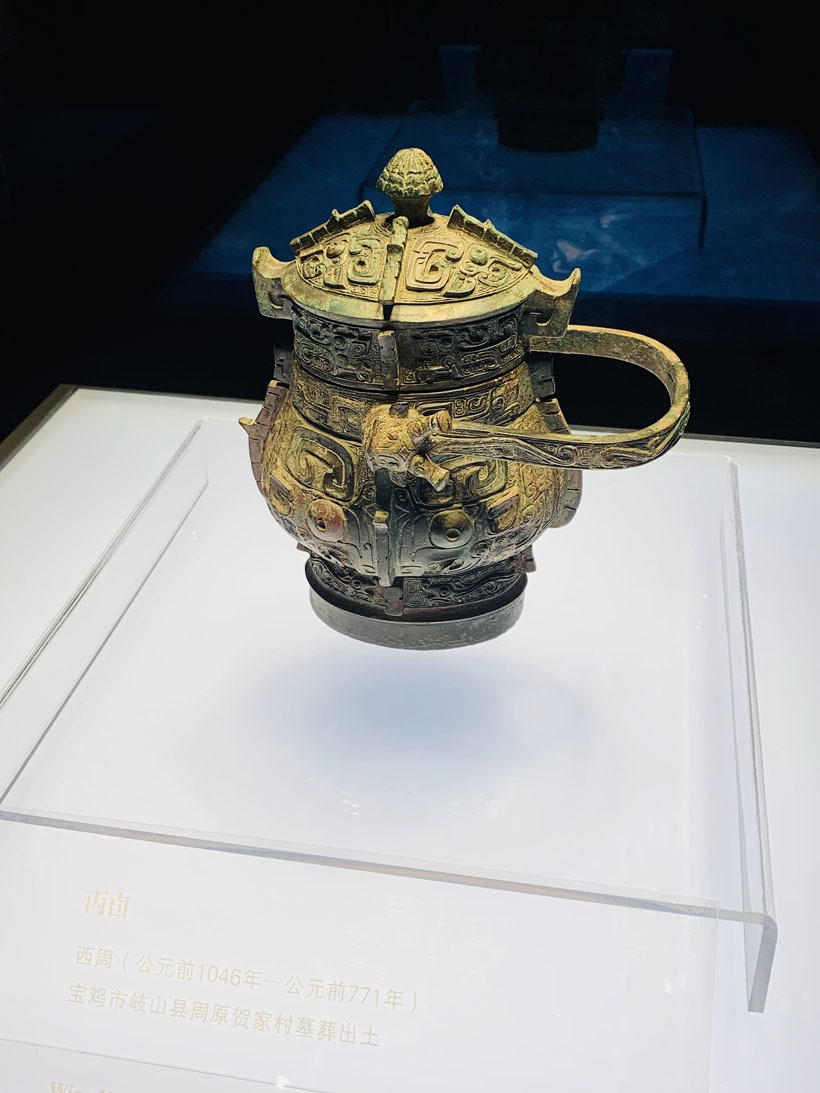
Chang'an, the capital of the Tang Dynasty, was once the largest city in the world.
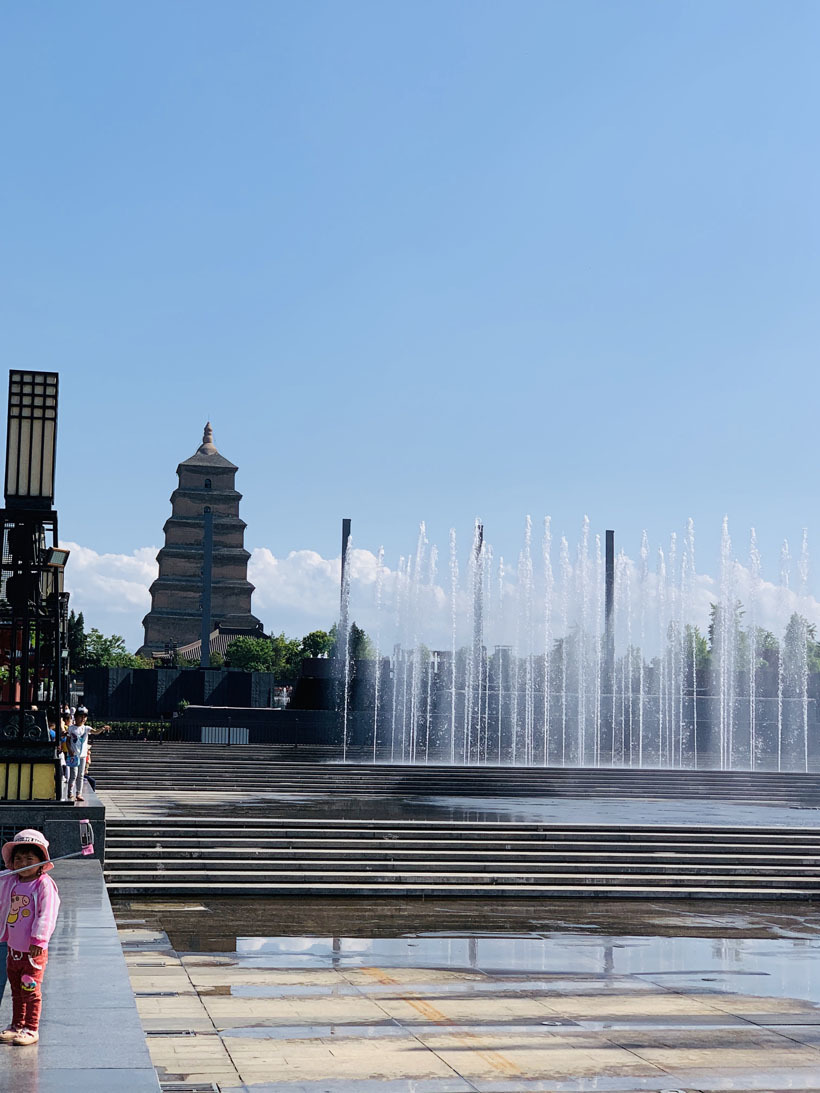
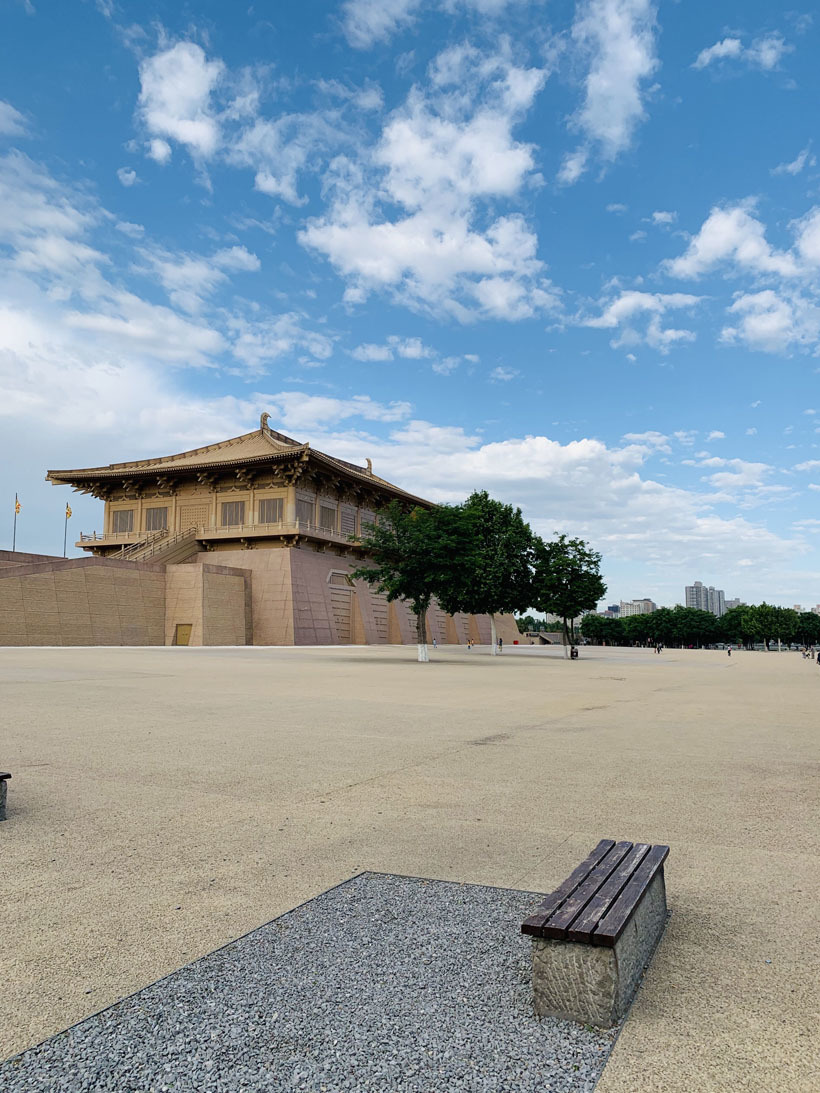
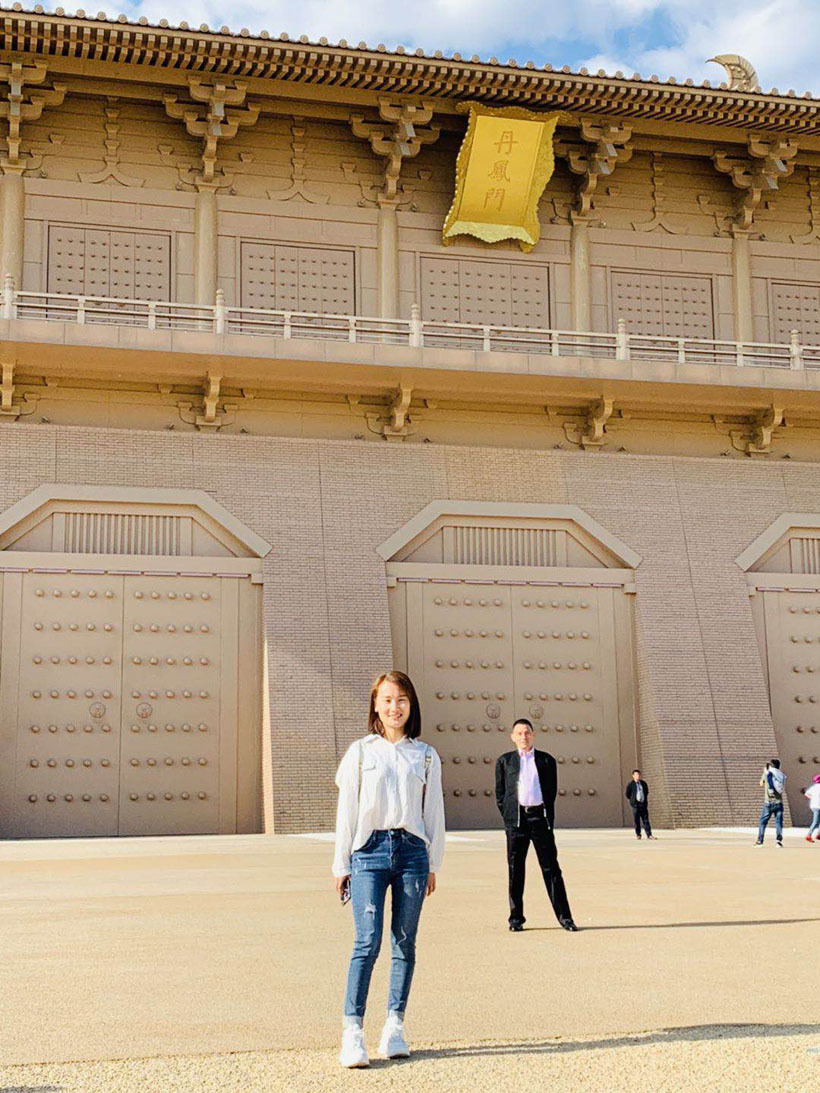
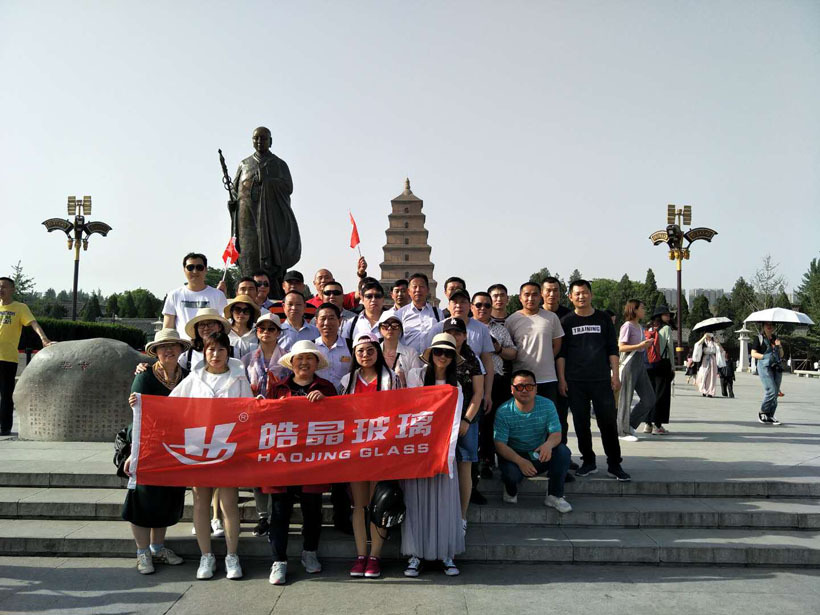
"Nine Heavens open the palace, and ten thousand nations bow before the court," is a description by the Tang Dynasty poet Wang Wei of the early morning court scene at Daming Palace. Daming Palace was the main palace of the Tang Empire, and 17 Tang emperors handled government affairs there, lasting more than 200 years. Daming Palace was grand yet not ostentatious, majestic yet not ornate. To the south of Daming Palace is a grand Buddhist temple – Ci'en Temple. The first abbot of Ci'en Temple was Xuanzang, a prominent figure in the Tang Dynasty. To enshrine the Buddhist statues, relics, and Sanskrit scriptures brought back from Tianzhu, Xuanzang presided over the construction of the Big Wild Goose Pagoda. It was an era of upward momentum, tolerance, and glorious prosperity, where various ethnic groups and religions coexisted harmoniously in the Tang Dynasty, and the Chinese and barbarians loved each other as one.
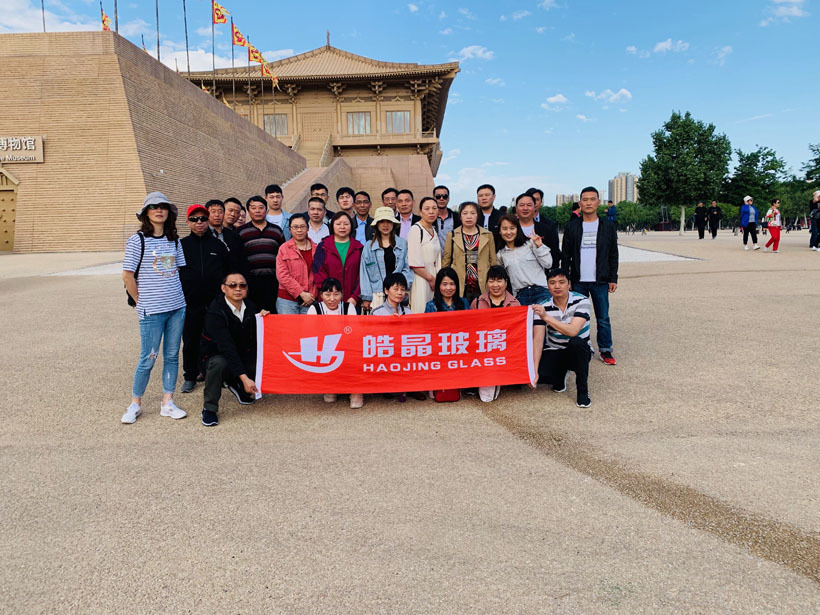
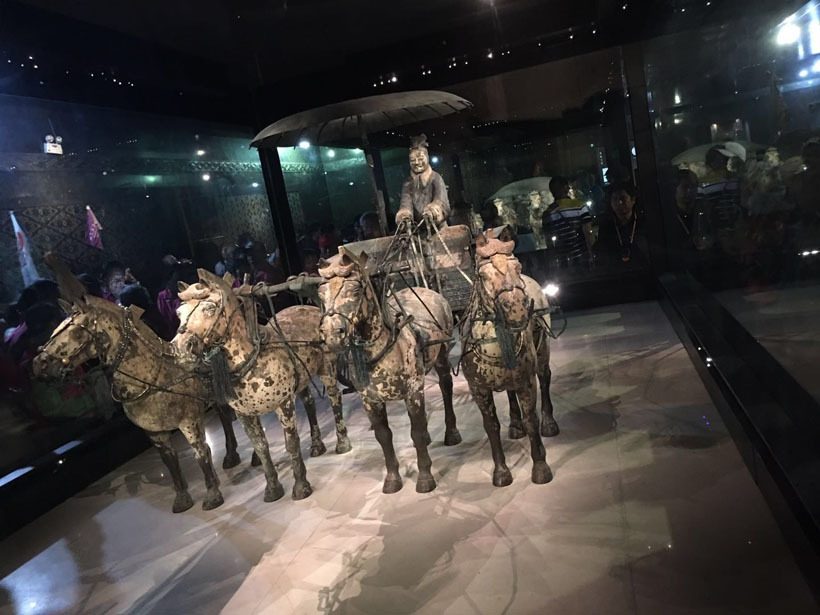
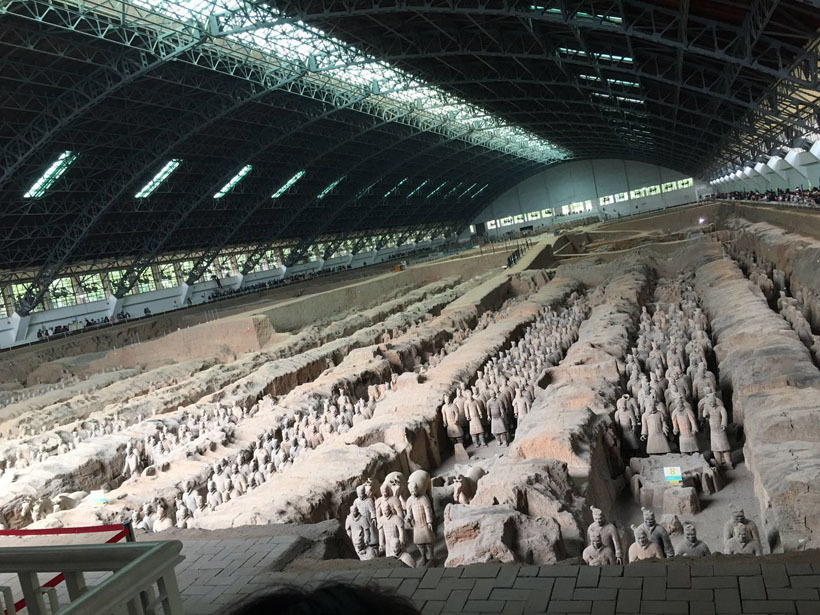
History is not simple repetition.
"To the east is Chang'an, to the west is Rome." On the vast ancient Silk Road, silk, tea, porcelain, and other goods from the East flowed continuously to Central Asia and Europe, while gold, silver, jewels, and other Western specialties were also imported into China in large quantities. From Zhang Qian's mission to Xuanzang's westward journey, to today's "Belt and Road Initiative," China has spread to the world not only material things but also Chinese civilization.
Zai Jian Xi An
再见西安
Leaving this miraculous place, we bring back satisfaction, gratitude, and determination. We, the Haojing people, will use our wisdom, hands, and culture to create a better future.

Scan the QR code to learn more~